5 Vietnam tourism villages named world's best
11.18.2025, 16:13 (GMT)
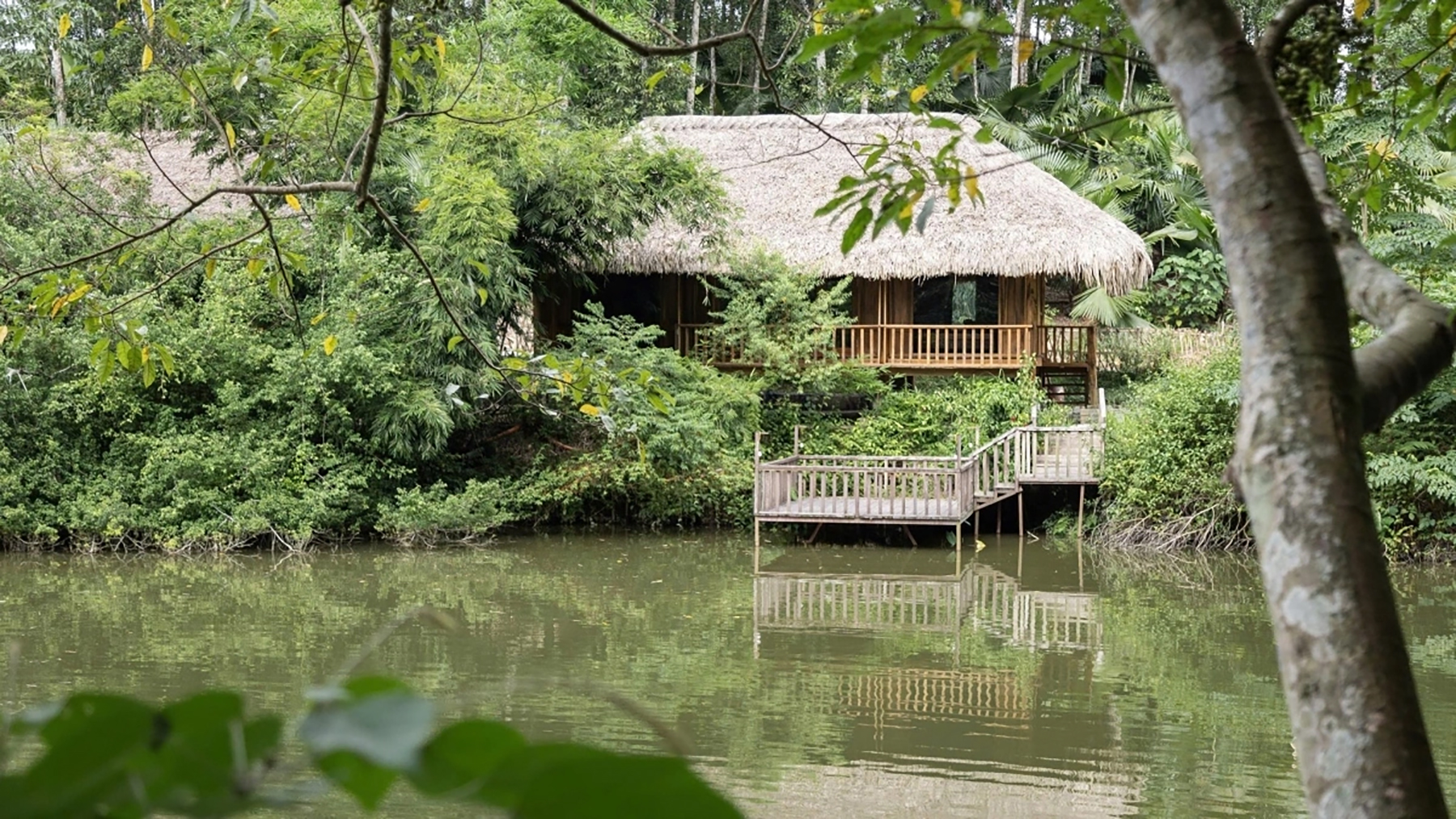
Thai Hai Reserve Area of Ecological Houses-on-Stilts Village. Photo by Thai Hai Ethnic Village
Thai Hai Reserve Area of Ecological Houses-on-Stilts Village
The Thai Hai Reserve Area of Ecological Houses-on-Stilts Village in the northern province of Thai Nguyen was named among the 32 best tourism villages in 2022.
Just a one-hour drive from Hanoi, the reserve covers 70 hectares and is home to 30 traditional stilt houses of the Tay ethnic minority people.
These centuries-old stilt houses have been restored to their original condition for preservation, set amid gentle hills and a tranquil landscape.
Surrounded by green nature and tea estates, the reserve allows tourists to join eco-tourism activities and explore the traditional culture and lifestyle of the Tay people.
Thai Hai welcomes thousands of domestic and international visitors each month.
Guests explore ethnic stilt houses and try traditional crafts—loom weaving, vegetable growing, tea picking, winemaking, and cake making—and enjoy Then singing.
Tan Hoa Village
On Oct. 19, 2023, Tan Hoa Village in Quang Binh Province, known for being home to the world's largest cave Son Doong and the UNESCO-listed Phong Nha-Ke Bang National Park, earned the title of "World's Best Tourist Village 2023".
Nestled in a valley surrounded by limestone mountains, Tan Hoa is often called the flood center of Quang Binh in central Vietnam. The village is approximately 75 kilometers from Son Doong.
After the historic 2010 flood, residents adapted to recurring floods and climate change by building green-roofed floating houses.
Many now operate as homestays, giving visitors a distinctive experience in a flood-prone landscape while providing locals with extra income.
Tra Que Vegetable Village
Tra Que Vegetable Village received the 2024 "World's Best Tourist Village" award.
Located 3 kilometers from Hoi An ancient town, Tra Que dates back to the 16th century and is bordered by the Co Co River and Tra Que Lagoon.
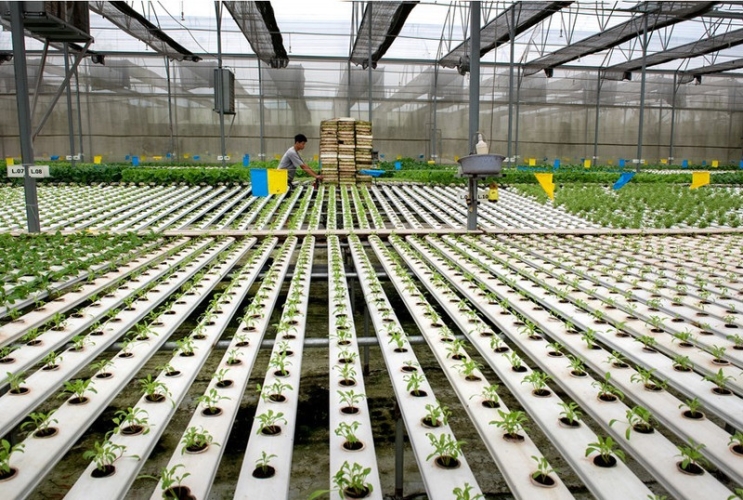
Thanks to its river-island location near the sea, the village enjoys a temperate climate and fertile soil, ideal for organic vegetable farming.
Today, Tra Que is home to 202 families cultivating vegetables across 18 hectares, providing a stable income for locals.
Visitors to the village can explore on foot or by bicycle, take part in farming activities, and savor dishes made from freshly harvested vegetables.
Entry costs VND35,000 (US$1.37) per person.
Lo Lo Chai
Lo Lo Chai in the northern province of Tuyen Quang was awarded "Best Tourism Village in the World 2025" last week.
After evaluating more than 270 applications from 65 countries, UN Tourism recognized the rich and outstanding cultural and natural resources and commitments to sustainable tourism development of Lo Lo Chai.
Lo Lo Chai sits amid majestic mountain scenery and the distinct cultural heritage of the Lo Lo people.
The village preserves rammed-earth houses with yin–yang tiled roofs, traditional festivals, time-honored crafts, and vibrant brocade attire—elements that define the rocky plateau's unique charm.
In recent years, Lo Lo Chai has embraced community-based tourism, allowing visitors to explore local culture, join traditional activities, sample regional cuisine, and experience life in the border area at the foot of the Lung Cu Flag Tower.
Quynh Son
Quynh Son also received "Best Tourism Village in the World 2025" last week. It is renowned for its natural scenery and rich cultural identity—especially Tay culture, which is preserved in daily life.
The village is renowned for its natural scenery and rich cultural identity—especially Tay culture, which is preserved in daily life.
At Quynh Son, visitors can explore indigenous traditions, stay in traditional stilt houses, join farming activities, try their hand at weaving, and sample local cuisine.
The "Best Tourism Village" award celebrates the role of tourism in preserving rural villages, including their natural landscapes, traditions, biodiversity, culture, and local activities such as farming, forestry, fishing, and cuisine.
To qualify, villages must demonstrate rich natural and cultural resources, innovative practices, and a strong commitment to tourism development in line with the United Nations Sustainable Development Goals (SDGs).
الموضوع:
Vietnam travel


الأخبار الشائعة